
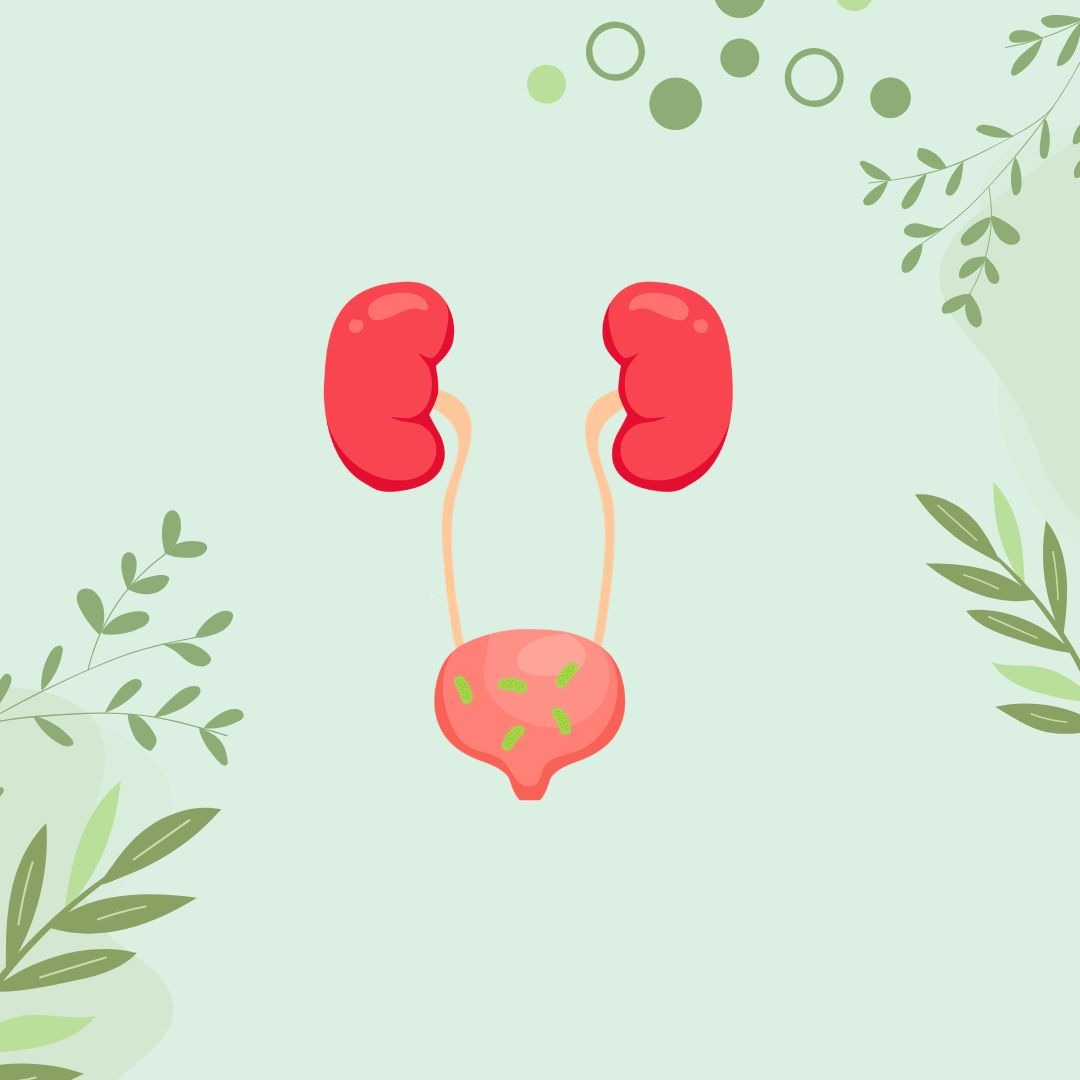
Urinary tract infections (UTIs) are one of the most common bacterial infections affecting women. While many women experience an occasional UTI that responds quickly to treatment, others find themselves caught in a frustrating cycle of recurrent infections. If you’ve ever thought ‘I feel like I’m constantly on antibiotics for UTIs’, you’re certainly not alone.
Recurrent UTIs can significantly affect quality of life, causing discomfort, anxiety, disruption to work and relationships, and repeated visits to healthcare providers. The good news is that there are now more evidence-based strategies than ever to investigate, manage, and prevent recurrent infections.
In this blog, we’ll explore why recurrent UTIs occur, how they’re assessed, and what treatment options may help break the cycle.
What Is a UTI?
A UTI occurs when bacteria enter the urinary tract and multiply within the bladder. Common symptoms include:
- Burning or stinging when passing urine (esp. at the end of your stream)
- Urinary frequency and / or urgency
- Lower abdominal discomfort
- Blood in the urine (‘haematuria’)
If infection spreads upstream to the kidneys (‘pyelonephritis’), symptoms may also include:
- Fever
- Back or flank pain
- Nausea or vomiting
- Feeling generally unwell
Most uncomplicated UTIs are caused by Escherichia coli (E. coli), a bacteria that normally lives harmlessly within the bowel.
What Is a Recurrent UTI?
A recurrent UTI is generally defined as:
- Two or more proven UTIs within six months, or
- Three or more proven UTIs within twelve months
‘Proven UTI’ means when you’ve seen a clinician, and had a urine test that confirms that you’ve definitely experienced a UTI. Most recurrent infections involve the bladder (‘cystitis’) rather than the kidneys (‘pyelonephritis’).
Importantly, most recurrent UTIs represent new infections (known as ‘re-infections’) rather than a failure of previous treatment. In other words, the original infection has usually been cleared, but new bacteria subsequently enter the urinary tract and cause another, new infection.
Why Are Women More Prone to UTIs than Men?
Women are naturally more susceptible to UTIs than men because:
- The urethra (the tube from the bladder to the outside world) sits closer to the anus in women than it does in men, so bacteria that normally live in / around the anus have a shorter distance to travel to reach the urethra
- The urethra itself is shorter in women, so there’s a shorter distance for bacteria travelling ‘upstream’ to traverse to gain entry into the bladder
This simple anatomical difference explains why UTIs are so common throughout a woman’s life.
Why Do Some Women Get Recurrent UTIs?
Often there is no single explanation; the following multiple factors may contribute.
Sexual activity
Sexual intercourse is one of the strongest risk factors for recurrent UTIs. During insertive (penis in vagina) intercourse, bacteria may be transferred to be closer to the urethra, increasing the likelihood of a bladder infection.
This does not mean anything is ‘wrong’ with you or your partner – it’s simply one of the most common mechanisms by which bacteria gain access to the bladder.
Contraceptive choices
Certain contraceptive methods are associated with increased UTI risk, particularly:
- Spermicides
- Diaphragms used with spermicide
- Spermicide-coated condoms
If you’re experiencing recurrent UTIs, and use one of these contraceptive methods, it’s probably worthwhile discussing alternative contraceptive options with your doctor.
Peri-menopause and menopause
As estrogen levels decline, significant changes occur within the vagina and urinary tract. Collectively, these changes (and related symptoms) are called Genitourinary Syndrome of Menopause (GSM). These changes include:
- Thinning of vaginal tissues
- Reduced blood flow
- Changes in the vaginal microbiome
- Loss of protective Lactobacillus bacteria
These changes make bacterial colonisation and UTIs more likely. Management options include a topical estrogen cream / pessary, which can reverse some of the above changes, and reduce the risk of UTI.
Medical conditions
Several health conditions can increase UTI risk, including:
- Diabetes (esp. if poorly controlled)
- Kidney stones
- Urinary retention
- Pelvic organ prolapse
- Urinary incontinence
- Neurological conditions affecting bladder function
If you think any of these factors may be contributing, please see your women’s health GP to discuss management options.
Family history
Interestingly, genetics may also play a role. Women with a family history of recurrent UTIs may be more susceptible to infection because of inherited differences in how bacteria attach to urinary tract cells.
Differential Diagnoses
One of the most important things to understand is that not all urinary symptoms are caused by infection. Many women are referred to a gynaecologist or women’s health GP for ‘recurrent UTIs’ when another condition is actually responsible. Conditions that can mimic, or occur at the same time as, UTIs include:
- Genitourinary Syndrome of Menopause (GSM), as noted above
- ‘Overactive bladder’, or urinary urge incontinence
- Pelvic floor dysfunction
- Interstitial cystitis / bladder pain syndrome
- Vulvodynia
- Endometriosis involving the bladder
- Sexually transmitted infections
This is why confirming the diagnosis is so important before repeatedly taking antibiotics.
Why See a Women’s Health GP?
A women’s health clinician can often provide a broader assessment than simply treating each episode with antibiotics. They can help identify:
- Hormonal contributors
- Vaginal and vulval conditions
- Pelvic floor dysfunction
- Bladder symptoms that may not be due to infection
- Contraceptive factors
- Menopausal changes
For many women, addressing these underlying contributors can dramatically reduce symptoms and future infections. If you are experiencing recurrent UTIs, a great place to start is to see one of Maven Centre’s specialist women’s health GPs: Dr Amy Sinclair-Thomson or Dr Phillippa Wootton.
How Are Recurrent UTIs Investigated?
A thorough history
Your doctor may ask about:
- Frequency of infections
- Results from previous urine tests
- The relationship between your UTIs and sexual activity
- Menopausal status
- Fluid intake
- Contraception
- Medical conditions
- Previous antibiotic use
Urine testing
Whenever possible, a urine sample should be collected before starting antibiotics. Urine cultures help to:
- Confirm infection
- Identify the bacteria involved
- Determine antibiotic sensitivities
This becomes particularly important if infections are recurring.
Do I need scans or a cystoscopy?
Most women with recurrent UTIs do not need extensive investigations. However, additional testing may be recommended if there are features suggesting an underlying structural problem, such as:
- Persistent blood in the urine
- Kidney stones
- Difficulty emptying the bladder
- Recurrent infections caused by unusual bacteria
- Symptoms of prolapse or urinary retention
In these situations, ultrasound, CT scans, cystoscopy, or specialist referral to a urologist or urogynaecologist may be appropriate.
Treatment of Acute UTIs
When a confirmed infection occurs, treatment usually involves antibiotics.
The specific antibiotic recommended depends on:
- Urine culture results
- Previous resistance patterns
- Allergies
- Pregnancy status
For women experiencing recurrent infections, urine culture becomes increasingly important because antibiotic resistance can develop over time.
Preventing Future UTIs
Prevention is often the most important part of management.
Stay well hydrated
One of the simplest and most effective strategies is increasing fluid intake. Research has shown that women who increase their daily water consumption can reduce recurrent UTIs by up to 50%. A reasonable goal is approximately 2 litres of fluid per day, unless advised otherwise by your doctor.
Vaginal estrogen
For postmenopausal women, vaginal estrogen is one of the most effective preventative treatments available. It helps:
- Restore healthy vaginal tissue
- Improve the vaginal microbiome (healthy vaginal bacteria)
- Encourage protective Lactobacillus bacteria
Importantly, vaginal estrogen works locally and is different from systemic menopausal hormone therapy.
Methenamine (Hiprex®)
Methenamine hippurate (Hiprex®) has gained increasing attention as an antibiotic-sparing option. Rather than acting as an antibiotic, it creates conditions within the urine that make bacterial growth more difficult.
Recent studies suggest methenamine may be nearly as effective as long-term antibiotic prevention for many women, while avoiding some of the concerns associated with prolonged antibiotic use.
Cranberry products
Cranberry products remain popular, and may offer modest benefit for some women. Current evidence suggests they may reduce recurrent infections, although the optimal formulation and dosage remain unclear.
What about D-mannose and probiotics?
Many women ask about D-mannose and probiotics. While both have theoretical benefits, current research has not consistently demonstrated strong effectiveness. Some women choose to use them as part of a broader prevention strategy, but they should not replace treatments with stronger evidence.
Preventative antibiotics
For women with frequent or severe recurrences, preventative antibiotics may occasionally be appropriate. Options include:
- Low-dose daily antibiotics
- Post-coital antibiotics (a single antibiotic tablet taken after sex)
- Self-start antibiotic treatment plans
However, because long-term antibiotic use can contribute to resistance and other side effects, many specialists now consider antibiotic-sparing approaches first where appropriate.
Common Myths About Recurrent UTIs
‘I’m getting UTIs because my hygiene isn’t good enough.’
False! There is no evidence that recurrent UTIs are caused by poor hygiene. Women should never feel blamed for recurrent infections.
‘I must urinate after sex or I’ll definitely get a UTI.’
While post-coital voiding is commonly recommended and unlikely to cause harm, scientific evidence supporting its effectiveness is surprisingly limited.
‘I just need stronger antibiotics.’
Not necessarily! Sometimes the issue isn’t antibiotic choice at all. Hormonal changes, bladder dysfunction, pelvic floor issues, or an incorrect diagnosis may be contributing.
When Should You Seek Medical Advice?
You should see your GP or specialist if:
- Symptoms keep recurring
- You have more than two UTIs in six months
- You develop fever or back pain
- There is blood in the urine
- Symptoms aren’t improving despite treatment
- You are pregnant
- You are unsure whether symptoms are actually due to infection
Early assessment can help identify contributing factors and reduce the need for repeated antibiotic courses.
Final Thoughts
Recurrent UTIs are common, but they are not something you simply have to put up with. Many women benefit from a more comprehensive assessment that looks beyond antibiotics alone. Identifying hormonal changes, bladder dysfunction, pelvic floor issues, and any other contributing factors can make a significant difference.
If you’re experiencing recurrent urinary symptoms, speak with your GP, or a specialist women’s health GP (such as Maven Centre’s Dr Phillippa Wootton or Dr Amy Sinclair-Thomson). Together, you can develop a personalised plan aimed not only at treating infections when they occur, but preventing them from coming back.