
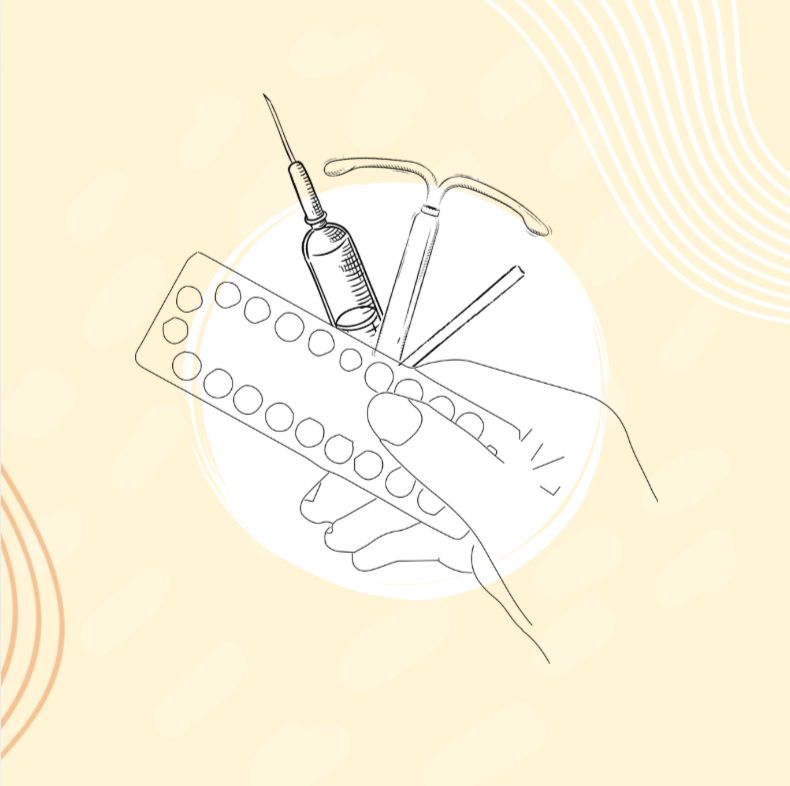
Bringing a new baby into the world is an exciting and often overwhelming time. Between feeding, settling, sleepless nights and adjusting to life as a new parent, contraception may be one of the last things on your mind.
However, fertility can return surprisingly quickly after childbirth – even before your period comes back. Whether you’re hoping to grow your family again soon, or would prefer to wait a few years (or longer), choosing the right contraception after pregnancy is an important part of your postnatal care.
The good news is that there are many safe and effective contraceptive options available after having a baby, including methods that are compatible with breastfeeding.
In this blog, we’ll explain: when fertility returns; the contraceptive options available after pregnancy; and how to choose the method that’s right for you.
Why Think About Contraception After Having a Baby?
Many women assume they can’t become pregnant until their periods return. Unfortunately, that’s not the case. Ovulation (the release of an egg) occurs before your first period. This means it’s possible to become pregnant without ever having had a postpartum menstrual period.
For many families, allowing time between pregnancies has important benefits.
An interval of around 18 – 24 months between giving birth and becoming pregnant again is generally associated with improved outcomes for both mother and baby. Spacing pregnancies allows time for your body to recover, replenishes nutrient stores such as iron, and may reduce the risk of complications in future pregnancies.
Choosing contraception after birth gives you the opportunity to plan your family on your own timeline.
When Does Fertility Return?
Every woman’s body is different.
If You Are Not Breastfeeding
Ovulation can occur as early as 25 days after giving birth, although for many women it occurs between 6 and 12 weeks postpartum. Because ovulation happens before the first period, pregnancy is possible even if your periods haven’t yet returned.
If You Are Breastfeeding
Breastfeeding often delays the return of fertility — but it isn’t completely reliable. Frequent breastfeeding suppresses the hormones that trigger ovulation, but this effect varies between women, and gradually becomes less reliable as feeding patterns change.
Once babies begin sleeping longer overnight, are eating solids, or reducing feeds, fertility often returns.
Can Breastfeeding Be Used as Contraception?
Under specific circumstances, yes. This is known as the **Lactational Amenorrhoea Method (LAM).
LAM is up to 98% effective, but only if all three of the following apply:
- Your baby is less than six months old
- You are exclusively breastfeeding, including overnight feeds
- Your periods have not returned
If any one of these changes, another form of contraception should be started.
Many women choose to begin another contraceptive method before LAM becomes unreliable, to avoid any gap in protection.
What Contraceptive Options Are Available?
One of the advantages of postpartum contraception is that there are many choices.
The right option depends on:
- Whether you’re breastfeeding
- Your medical history
- Your future pregnancy plans
- Your personal preferences
Let’s look at the main options.
Long-Acting Reversible Contraception (LARC)
Long-acting reversible contraception is considered the most effective reversible contraception available. These methods are over 99% effective and don’t rely on remembering a daily pill.
The Contraceptive Implant (Implanon NXT®)
The implant is a small plastic rod inserted under the skin of the upper arm.
It:
- Lasts for three years
- Is more than 99% effective
- Is safe while breastfeeding
- Can be inserted immediately after birth or at your six-week postnatal visit
Fertility usually returns quickly after removal.
Hormonal IUD (Mirena®)
The Mirena IUD releases a small amount of progesterone inside the uterus. Benefits include:
- More than 99% effective
- Lasts up to eight years for contraception
- Often makes periods much lighter
- May eventually stop periods altogether
Safe while breastfeeding
A Mirena can be inserted:
- Immediately after delivery (in selected circumstances)
- At the time of caesarean section
- Or more commonly from around six weeks after birth, once the uterus has returned to its normal size.
This previous blog post talks through some of the pros and cons of Mirena IUD in more detail.
Copper IUD
The copper IUD is hormone-free and provides contraception for 5 – 10 years, depending on the device. It is also more than 99% effective and safe during breastfeeding.
Unlike the Mirena, periods may become heavier or more painful, so it isn’t the best option for everyone.
The Progesterone-Only Pill (“Mini Pill”)
The progesterone-only pill is commonly used after pregnancy because it does not affect milk production. Advantages include:
- Safe while breastfeeding
- Fertility returns quickly after stopping
- Suitable for many women who cannot take oestrogen
The main drawback is that it needs to be taken consistently each day to maintain effectiveness.
The Combined Oral Contraceptive Pill
The combined pill contains both estrogen and progesterone. It is not usually recommended immediately after childbirth, particularly during the first six weeks, because:
- The risk of blood clots is temporarily higher after pregnancy
- Estrogen may reduce breast milk supply in some women
For women who are not breastfeeding and have no additional risk factors, it may become an option several weeks after delivery. Your doctor can advise you about the most appropriate timing.
The Contraceptive Injection
The contraceptive injection (Depo-Provera®) is given every 12 weeks. It is safe during breastfeeding and provides highly effective contraception.
However, because fertility may take many months to return after stopping the injection, it may not suit women planning another pregnancy in the near future.
Barrier Methods
Barrier methods include: condoms, and diaphragms. Condoms have the added advantage of protecting against sexually transmitted infections (STIs).
If you’re planning to use a diaphragm after pregnancy, you’ll usually need to be refitted because pregnancy and childbirth can change its size and fit.
Permanent Contraception
If your family is complete, permanent contraception may be an option. This includes: laparoscopic removal of your Fallopian tubes; and / or vasectomy for any male partners.
Permanent methods should only be considered if you’re confident you don’t wish to have more children in the future.
Which Contraception Is Best While Breastfeeding?
Many women worry that contraception may affect breastfeeding. Fortunately, several excellent options are considered compatible with breastfeeding.
These include:
- Mirena IUD
- Copper IUD
- Contraceptive implant
- Progesterone-only pill
- Depo-Provera injection
These methods have not been shown to adversely affect infant growth or development.
Your doctor will help you choose a method that supports both breastfeeding and your contraceptive goals.
When Should I Organise Contraception?
One of the best times to discuss contraception is actually during pregnancy. Having a plan before your baby arrives means contraception can often be started:
- Immediately after birth
- Before leaving hospital
- At your six-week postnatal check
This helps avoid an unexpected gap in contraception while you’re busy caring for your newborn.
What Happens at the Six-Week Check?
Your postnatal review is an excellent opportunity to discuss contraception. Your GP may:
- Review your recovery
- Discuss breastfeeding
- Ask about future pregnancy plans
- Explain contraceptive options
- Arrange insertion of an implant or IUD if appropriate
This appointment is about much more than checking stitches — it’s also an opportunity to support your long-term reproductive health.
Choosing the Right Contraception
There is no single “best” contraceptive after pregnancy. Instead, the best method is the one that fits your:
- Lifestyle
- Breastfeeding plans
- Medical history
- Future fertility goals
- Personal preferences
Some women want a method they can “fit and forget” for several years. Others know they’d like another baby soon and prefer a shorter-acting option. A conversation with your women’s health GP can help you weigh up the pros and cons of each method.
Final Thoughts
Life after having a baby is busy enough without worrying about an unplanned pregnancy. Fortunately, there are many safe, effective, and breastfeeding-compatible contraceptive options available.
Whether you’re hoping to space your pregnancies, focus on your growing family, or know your family is complete, choosing contraception after childbirth allows you to plan your future with confidence.
If you’re pregnant, have recently welcomed a baby, or would like to discuss your postpartum contraception options, speak with one of our women’s health GPs at Maven Centre, such as Dr Amy Sinclair-Thomson or Dr Phillippa Wootton. We’ll help you choose a method that suits your health, your family, and your future plans.