
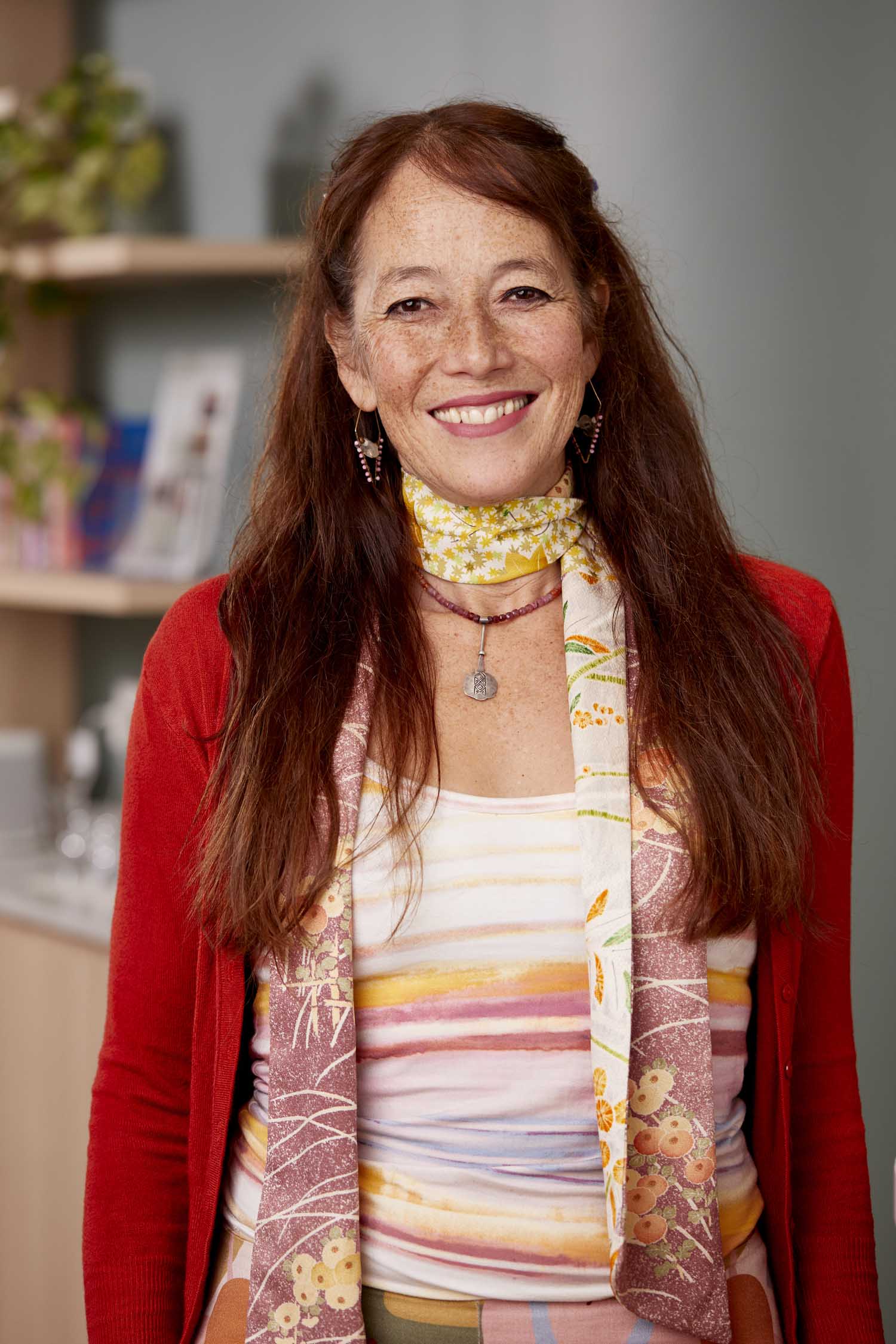
What first drew you to medicine, and what has kept you passionate about women’s health throughout your career?
I was drawn to medicine through a combination of my love of biology at school and my family circumstances. Some of my family members had survived being prisoners of war during World War II, so I grew up seeing suffering at close hand. Although it’s hard to know with certainty what career you want at 18, I think those two factors influenced me the most.
Throughout my career, I’ve been particularly drawn to women’s health and community medicine. Working at a community health centre and refugee health hub has taught me to be flexible in my approach to understanding and treating patients, and to really embrace a patient-centred model of care. Education is a significant part of my work, often through interpreters, and something I really enjoy. I believe that for all patients, having a greater understanding of their bodies is empowering.
How would you describe your approach to caring for patients?
My approach is very patient-centred. Working with a diverse range of patients, including through community and refugee health, has taught me that there is no one-size-fits-all approach to healthcare.
I like to take the time to understand the individual in front of me, listen carefully to their concerns and work together to find an approach that feels appropriate for them. I also place a strong emphasis on education, because I think understanding what is happening in your own body can be incredibly empowering.
What can patients expect when they come to see you for medical acupuncture?
The first appointment is primarily about getting to know the patient and understanding what is going on. I take a very thorough history and examination, explain how medical acupuncture works and answer any questions the patient may have. Acupuncture treatment will generally commence from the second appointment onwards.
I often use a combination of acupuncture needles and hand-held red light laser, although this is always guided by discussion with the patient and their preferences. For patients with chronic pain or multiple conditions, I often start with laser acupuncture, which is generally considered a gentler form of acupuncture and is also a good option for people who don’t like needles.
What do you believe is most important for helping patients feel informed, comfortable and involved in their care?
I think education and communication are really important. Patients should have a good understanding of their bodies and of the treatment options available to them, so that they can make informed decisions about their care.
With acupuncture in particular, I think it’s important to explain what the treatment involves, answer questions and make sure patients are comfortable with the approach. I enjoy working collaboratively with patients and adapting treatment according to their needs and preferences.
What led you to pursue medical acupuncture after almost 30 years working as a GP?
The Covid pandemic was a turning point for me and gave me an opportunity to reflect on my direction in both work and life. I had met my first GP acupuncturist a year or two before the pandemic, and he invited me to sit in with him. Despite being quite sceptical about acupuncture, it was hard not to be impressed by the results I saw, and by the patients who regularly travelled several hours to see him.
Looking for some inspiration during COVID, I decided to take a leap of faith and sign up for the first year of a medical acupuncture course.
I was hooked from the very first lecture. The strong focus on the scientific basis for acupuncture was immediately compelling, as was seeing some very positive outcomes in practice. After a year of using acupuncture in my clinic, I wanted to consolidate my skills, so I embarked on the second and final year of medical acupuncture studies.
I’ve found practising medical acupuncture so rewarding that it now makes up the majority of the work I do over and above mainstream general practice. I also continue to undertake additional acupuncture courses each year.
What do you wish more people knew about medical acupuncture and the conditions it may help with?
One of the things I find particularly wonderful about acupuncture is its ability to treat several different conditions simultaneously. It can provide relief with minimal side effects and can sometimes be helpful when other Western treatments haven’t provided the relief a patient is looking for.
I also believe there can be an additional therapeutic benefit from the hands-on nature of the treatment. For me, it’s very rewarding to be able to offer another evidence-informed treatment option to patients.
How do you approach supporting someone who has been living with chronic pelvic pain or other chronic symptoms?
I think it’s important to take the time to really understand the whole picture. Patients with persistent pain can often have multiple symptoms or conditions, so a thorough history and examination are an important starting point.
I also like to tailor the treatment to the individual. In patients with chronic pain and multiple conditions, I often start with laser acupuncture, which is a gentler form of treatment. From there, I may use laser, needles or a combination of both, depending on the patient and their preferences.
What excites you about the growing role of acupuncture in women’s health?
There is growing evidence for the benefits of acupuncture across a range of women’s health conditions, including pelvic pain, period pain, premenstrual symptoms and bladder symptoms. I find it exciting to be able to offer patients another treatment option that can complement their existing medical care.
I’m particularly looking forward to bringing my acupuncture skills to Maven Centre, and complementing the already wonderful multidisciplinary team.