
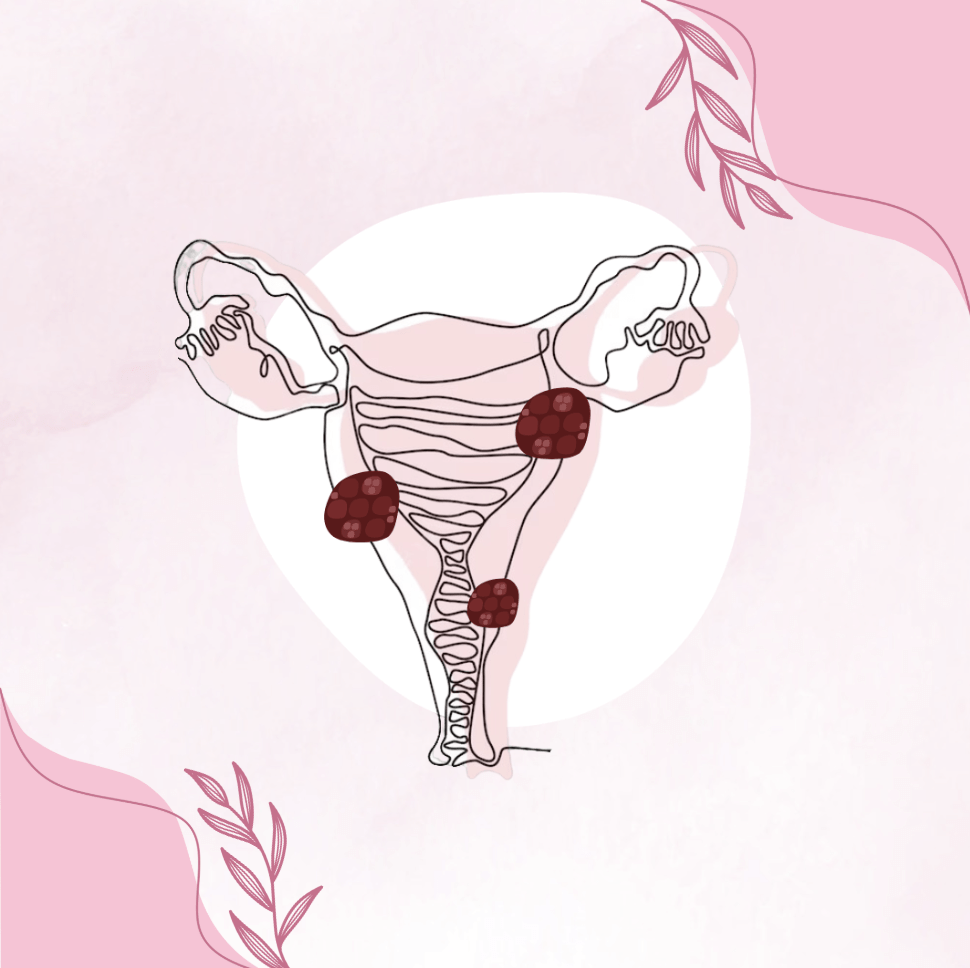
July is International Fibroid Awareness Month, which provides an opportunity to raise awareness of one of the most common gynaecological conditions affecting women. Despite affecting up to two in three women by the age of 50yo, fibroids are often misunderstood. Many women only discover they have fibroids after having an ultrasound, leaving them with more questions than answers.
Perhaps you had an ultrasound because of heavy periods, pelvic pain, fertility concerns, or even for an unrelated reason. Then comes the report: “multiple intramural fibroids…”, “large subserosal fibroid…”, “fibroids impinging on the uterine cavity…”. Suddenly, you’re left wondering:
- Should I be worried?
- Are fibroids cancer?
- Will I need surgery?
- Can I still have children?
- Do I need to do anything at all?
The reassuring news is that fibroids are extremely common, and many women with fibroids never require treatment. Your ultrasound is simply the first step in understanding what (if anything )needs to happen next.
In recognition of International Fibroid Awareness Month, we’ve put together this guide to help you understand what your ultrasound report means, why the size and location of fibroids matter, and when it’s worth seeing a gynaecologist.
First Things First: what are fibroids?
Fibroids (also called leiomyomas or myomas) are benign (non-cancerous) growths that arise from the muscle of the uterus. They are incredibly common, affecting up to two in three women by the age of 50. Many women never know they have them, because fibroids often cause no symptoms and are found incidentally during an ultrasound performed for another reason.
Importantly: fibroids are not cancer. The vast majority remain completely benign throughout a woman’s lifetime.
This Maven Centre patient information pamphlet explains some basic background information about fibroids.
Don’t Panic if Your Ultrasound Mentions Fibroids
One of the biggest misconceptions is that every fibroid needs treatment. In reality:
- Many fibroids never cause symptoms
- Some remain stable for years
- Most shrink down naturally after menopause
- Treatment is only needed if fibroids are causing problems.
Finding a fibroid on ultrasound is a little like finding a harmless mole on your skin: it deserves assessment, but not necessarily treatment.
Your Ultrasound Report: what does it actually mean?
Ultrasound reports can be full of unfamiliar medical terminology. Let’s translate some of the common terms.
Intramural Fibroids
These develop within the muscular wall of the uterus and are the most common type of fibroid. Depending on their size, they may contribute to:
- Heavy menstrual bleeding
- Pelvic pressure and discomfort
- Fertility problems (occasionally)
- Urinary and / or bowel symptoms
Submucosal Fibroids
These grow towards the inside of the uterus, into the uterine cavity. Even relatively small submucosal fibroids can cause:
- Heavy or prolonged periods
- Bleeding between periods
- Difficulty becoming pregnant
- Miscarriage
Because they affect the lining of the uterus, these fibroids are often the ones most likely to require treatment.
Subserosal Fibroids
These grow on the outside surface of the uterus. They usually don’t affect menstrual bleeding but may cause:
- Pelvic pressure / heaviness
- Bloating / a feeling of fullness
- Urinary frequency
- Constipation
Pedunculated Fibroids
These fibroids are attached to the uterus by a narrow stalk. They may occur inside or outside the uterus and can occasionally cause sudden pain if the stalk twists.
Is Bigger Always Worse?
Not necessarily. Many women assume that a large fibroid automatically means they’ll need surgery. In reality, location is often just as important as size, when it comes to deciding whether or not surgical management is needed.
For example: while a 2cm submucosal fibroid may cause severe heavy bleeding, a 8cm subserosal fibroid may cause very few symptoms. This is why your doctor will consider both the ultrasound findings and how you’re actually feeling.
One of the sayings we often use is: “treat the patient, not the ultrasound”. Your symptoms and your goals are even more important than what your imaging shows.
Why Did I Get Fibroids?
The exact cause isn’t fully understood. Fibroids are thought to develop because of a combination of: genetics; female hormones (esp. estrogen and progesterone); and growth factors within the uterus.
Risk factors include:
- Increasing age during the reproductive years (ie. fibroids tend to grow the older you get, until you got through menopause)
- Family history
- African and / or south-east Asian ancestry
- Living in a large body
- Never having been pregnant
Importantly, nothing you did caused your fibroids. Diet, exercise, stress, or lifting heavy objects do not cause fibroids.
What Symptoms Can Fibroids Cause?
Some women have no symptoms whatsoever. Others may experience:
- Heavy or prolonged menstrual bleeding
- Pelvic discomfort / pressure
- Bloating
- Urinary frequency
- Constipation
- Pain during intercourse
- Difficulty becoming pregnant
- Recurrent miscarriage
The symptoms often depend more on where the fibroid is located, rather than how large it is.
This blog post discussed in more detail the impact that fibroids can have on fertility.
What Happens Next?
The next step depends on three important questions:
- Are you having symptoms?
- How old are you?
- Are you hoping to become pregnant in the future?
If You Have No Symptoms
Often, no treatment is needed. Many fibroids can simply be monitored over time. Your GP or gynaecologist may recommend:
- Repeat ultrasound only if symptoms develop or change
- Periodic follow-up (eg. annual ultrasound) if appropriate
Not every fibroid needs treatment: and many women never require any intervention.
If You’re Having Symptoms
Treatment depends on:
- The severity of your symptoms
- The size and location of your fibroids
- Your fertility wishes
- Your age
- Your personal preferences
Treatment options may include:
- Medications to reduce heavy bleeding
- Hormonal treatments
- The Mirena® intrauterine device
- Ryeqo® tablets
- Laparoscopic myomectomy (keyhole surgeyr to remove the fibroids while preserving the uterus)
- Uterine artery embolisation (UAE)
- Hysterectomy
The “best” treatment is different for every woman, and your gynaecologist will help you decide which option is most appropriate.
This blog post discussed in more detail your likely treatment options, if fibroids are contributing to heavy menstrual bleeding.
What If I’m Planning a Pregnancy?
Many women with fibroids conceive naturally and have completely healthy pregnancies. However, some fibroids (particularly those that distort the uterine cavity) may reduce fertility or increase the risk of miscarriage. If you’re hoping to become pregnant, your gynaecologist will consider:
- The fibroid’s size
- Its location
- Whether it affects the uterine cavity
- Your age and fertility goals
Importantly, not every fibroid needs to be removed before pregnancy: treatment decisions should be individualised.
Will My Fibroids Become Cancerous?
This is probably the question we hear most often. The reassuring answer is: only is extremely rare circumstances. By definition, fibroids are benign (non-cancerous) growths. A very rare cancer called leiomyosarcoma (LMS) can sometimes resemble a fibroid on ultrasound, but this is very uncommon. There is no evidence that ordinary fibroids “turn into” cancer over time.
When Should I See a Gynaecologist?
It’s worth seeing a gynaecologist if:
- Your periods are heavy or prolonged
- You’re becoming iron deficient or anaemic
- Pelvic pain is affecting your quality of life
- You have significant pressure symptoms
- You’re trying to conceive
- You’ve had recurrent miscarriage
- Your GP would like specialist advice regarding management
- You’re unsure which treatment option is best
Remember, seeing a gynaecologist doesn’t necessarily mean you’ll need surgery—it simply allows you to understand your options.
What Will the Gynaecologist Do?
Your consultation may include:
- Discussing your symptoms and medical history
- Reviewing your ultrasound
- Performing an examination (if appropriate)
- Arranging further imaging (occasionally an MRI)
- Discussing treatment options
- Developing an individualised management plan
The goal isn’t simply to “remove all the fibroids”: it’s to find the treatment that best fits your symptoms, lifestyle, and future plans.
The Bottom Line
An ultrasound diagnosis of fibroids can be alarming, but in most cases, it isn’t an emergency. Many fibroids require no treatment at all, while others can be successfully managed with medication or minimally invasive surgery.
The most important questions aren’t: “How many fibroids do I have?”, or “How big are they?”. Rather, the most important factors to take into consideration are your fibroids’ impact on: your symptoms; your fertility; and your quality of life. If your fibroids are having a significant impact on you in any way, there are many effective treatment options available.
Final Thoughts
An ultrasound diagnosis of fibroids can feel overwhelming. but knowledge is empowering. International Fibroid Awareness Month (July) is an important reminder that fibroids are incredibly common, highly treatable, and that no woman should feel she has to simply “put up with” troublesome symptoms.
Whether your fibroids require simple monitoring, medical treatment, minimally invasive or open surgery, understanding your diagnosis is the first step towards making informed decisions about your health.
If you’ve recently been diagnosed with fibroids or are experiencing symptoms such as heavy bleeding, pelvic pressure, or fertility concerns, speak with your GP or one of our gynaecologists at Maven Centre. We’ll take the time to explain your ultrasound findings, answer your questions, and work with you to develop a personalised management plan that supports your health, your lifestyle, and your future goals.