
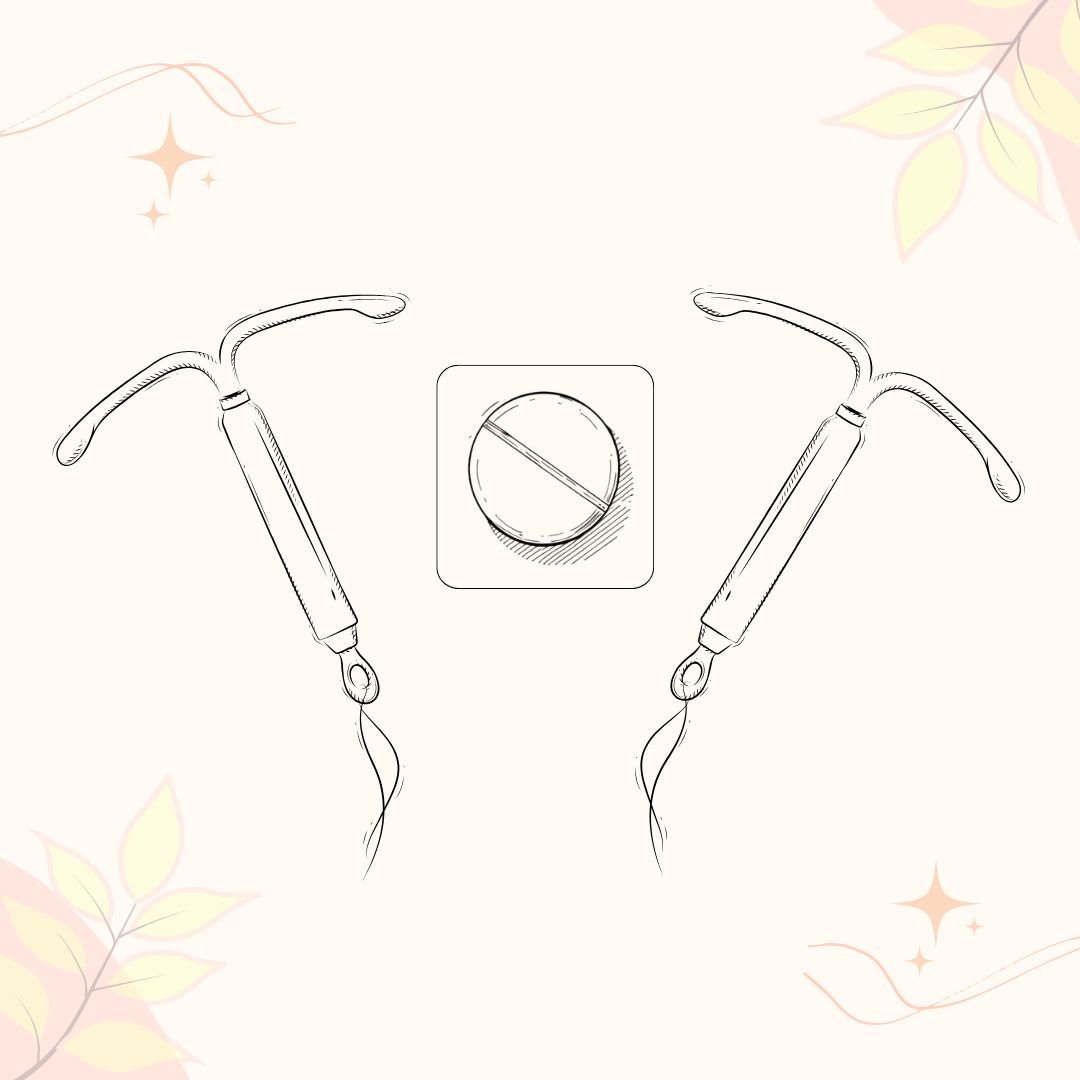
Sometimes contraception fails: condoms break, pills are missed, sex may be unexpected, or contraception simply wasn’t used. In these situations, so-called ’emergency contraception’ can provide a safe and effective way to reduce the chance of an unwanted pregnancy.
Despite being widely available, emergency contraception is often misunderstood. Many people are unsure about how it works, how effective it is, when it should be used, or whether it affects future fertility.
In this blog, we’ll explain the different types of emergency contraception available in Australia, how they work, their effectiveness, possible side effects, and when to seek medical advice.
What Is Emergency Contraception?
Emergency contraception refers to methods used to reduce the chance of pregnancy after unprotected sex or contraceptive failure. While often referred to as the ‘morning-after pill’, there are also alternatives besides a tablet (such as a Copper intrauterine device, discussed below). Importantly, neither the ‘morning-after pill’ nor the Copper IUD terminate an existing pregnancy, should you be further along than you think.
Emergency contraception is designed for unexpected situations, and should not replace ongoing reliable contraception.
When Might Emergency Contraception Be Needed?
Emergency contraception may be considered if:
- No contraception was used
- A condom broke or slipped off
- Contraceptive pills were missed
- Vomiting or diarrhoea affected pill absorption
- A diaphragm slipped out of place
- A contraceptive injection was late
- Sex was non-consensual
- There is uncertainty about contraceptive coverage
The sooner emergency contraception is used, the more effective it is likely to be.
What Types of Emergency Contraception Are Available?
In Australia, there are two main forms of emergency contraception: the ‘morning-after pill’, and a Copper intra-uterine device (IUD).
‘Morning-after’ pills
There are currently two types of emergency contraceptive pills available in Australia: levonorgestrel and ulipristal.
Levonorgestrel works by delaying or preventing ovulation. It is most effective if taken within 24 hours of unprotected sex: the sooner the better! But it can still be used up to 3 days after unprotected sex, so would be better referred to as the ‘up-to-three-mornings-after’ pill. Levonorgestrel is available over-the-counter from pharmacies, and doesn’t need a prescription. On average, it is about 85% effective: even more so the sooner it’s taken after the act!
Ulipristal acetate is sold under the brand name ‘EllaOne’, and works by delaying ovulation. It is effective for up to 5 days after unprotected sex, and requires consultation with a pharmacist.
Most people tolerate the morning-after pill very well. Possible side-effects may include: nausea; headache; breast tenderness; fatigue; spotting or irregular bleeding; or temporary changes to your next period. Most side-effects are mild and settle quickly.
Copper intrauterine device (IUD)
Many people are surprised to learn that a copper intrauterine device (IUD) is actually the most effective form of emergency contraception. A copper IUD can be inserted up to five days after unprotected sex, or up to five days after ovulation (in some circumstances). The Copper IUD works by creating an environment that prevents fertilisation (egg and sperm joining) and implantation (the embryo attaching to the uterine lining).
Compared to the ‘morning after’ pills, the Copper IUD has several advantages, in that it: is approximately 99% effective; and it also provides ongoing reliable contraception for several years afterwards; it is also hormone-free. Having a Copper IUD inserted requires: a trained doctor or nurse; and a pelvic and speculum examination.
Copper IUDs are known to make periods heavier, so if you already suffer with very heavy menstrual bleeding, you may prefer the ‘morning after’ pill and a progesterone IUD for ongoing contraception (rather than a Copper IUD). A Copper IUD won’t suit everyone, but it is an excellent option for many patients.
(For more information about having an IUD inserted, please peruse our patient information pamphlet via this link.)
When Should You See a Doctor?
It’s important to seek medical advice if:
- You are unsure which option is best
- You may be outside the treatment window (ie. the unprotected sex was more than five days ago)
- You have severe abdominal pain
- Your period is late
- You vomited soon after taking the pill
- You want advice about ongoing contraception
- You may have been exposed to an sexually transmitted infection (STI)
- Sex was non-consensual
- You have done a positive pregnancy test, and it was positive
An expert women’s health GP can help you choose the most suitable emergency contraception option and discuss longer-term contraception if needed. You can make your own appointment to see one of Maven Centre’s women’s health GPs (Dr Phillippa Wootton or Dr Amy Sinclair-Thomson) via this ‘HealthEngine’ link.
Emergency Contraception and STIs
Emergency contraception does not protect against sexually transmitted infections (STIs). If there has been unprotected sex, STI testing may also be appropriate depending on the situation. Condoms remain the only contraceptive method that protects against both pregnancy and STIs.
If in doubt, make an urgent appointment to see a women’s health GP, to discuss whether STI testing is needed. The testing may take the form of a urine test, a vaginal swab and / or blood tests.
Frequently Asked Questions
Does emergency contraception cause an abortion?
No. Emergency contraception prevents pregnancy from occurring; it does not disrupt or terminate an established pregnancy. This is one of the most common misconceptions about emergency contraception.
Is the ‘morning after’ pill effective if I’m ovulating?
Emergency contraceptive pills work best before ovulation occurs (ie. in the first half of your menstrual cycle). This is why taking them as soon as possible after the episode of unprotected sex is important.
Can I use emergency contraception more than once in my life?
Yes, but regular contraception is more effective and reliable for ongoing pregnancy prevention.
Do I need a prescription?
Levonorgestrel emergency contraception is available over-the-counter from pharmacies. Ulipristal requires a consultation with a pharmacist. Copper IUD requires a prescription, plus insertion by a trained clinician (a doctor or specialist nurse).
Can emergency contraception fail?
Yes. No method is 100% effective. So if you’ve used emergency contraception, but develop symptoms of pregnancy (eg. your next period is delayed, ongoing nausea and vomiting, breast tenderness), do a urine pregnancy test!
Will using the ‘morning after’ pill affect my future fertility?
No. Emergency contraception does not affect long-term fertility. You can even become pregnant later in the same menstrual cycle if you have further unprotected sex, which is why ongoing contraception is important.
What happens to my next period?
Your next period may: arrive earlier than normal; arrive slightly later than normal; and be either lighter or heavier than normal.
If your period is: more than one week late; unusually light; or if you have pregnancy symptoms, you should do a urine pregnancy test!
The Importance of Ongoing Contraception
Needing emergency contraception can sometimes highlight that your current contraception isn’t working well for you — and that’s very common. This may be a good opportunity to discuss more reliable forms of contraception with your women’s health GP. Options may include:
- Long-acting contraception (such as the ‘Implanon’ contraceptive rod)
- The contraceptive pill, containing either a combination of estrogen and progesterone, or progesterone alone
- A Copper or progesterone IUD
- Permanent contraception options, such as your partner having a vasectomy, or you undergoing keyhole surgery to remove both Fallopian tubes (which is called ‘bilateral salpingectomy’)
This blog post by one of our women’s health GPs (Dr Amy Sinclair-Thomson) discussed factors to consider when choosing the right contraception for you at this stage of your life.
Final Thoughts
Emergency contraception is safe, effective, and an important part of reproductive healthcare. Knowing your options can help reduce anxiety and allow timely decision-making if contraception fails or sex is unplanned. Importantly, you do not need to feel embarrassed about seeking emergency contraception. Healthcare professionals discuss these situations every day and are there to help — not judge.
If you need advice about emergency contraception, ongoing contraception, or sexual health, speak with your women’s health GP, pharmacist, or gynaecologist. Early advice can make all the difference!