
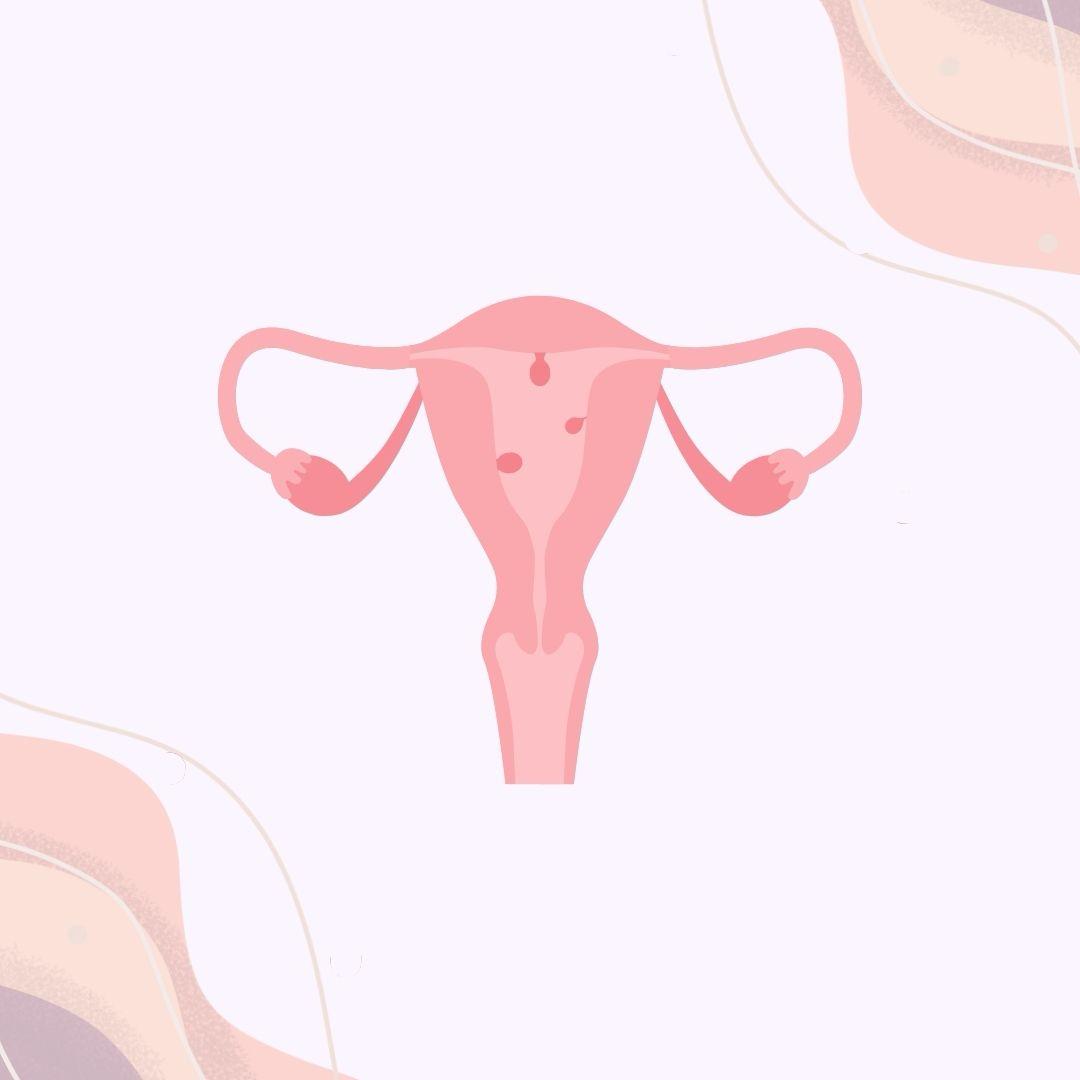
Polyps are a very common gynaecological finding, yet they’re often poorly understood. Understandably, many patients feel anxious when they hear the word for the first time. The reassuring news is that most polyps are benign (non-cancerous), frequently cause no symptoms at all, and are often straightforward to manage when treatment is needed.
In this blog, we’ll walk through what endometrial and cervical polyps are, why they develop, possible symptoms, how they’re diagnosed, and when treatment may be recommended.
What Are Polyps?
Polyps are small overgrowths that arise from the lining of an organ. In gynaecology, we most commonly see:
- Endometrial polyps: overgrowths from the lining of the uterus (which is called the ‘endometrium’)
- Cervical polyps: overgrowths from the surface or inner canal of the cervix
Polyps vary in size from just a few millimetres to several centimetres, and may be single or multiple. Many are found incidentally during ultrasound or speculum examinations.
Endometrial Polyps
What Are They?
Endometrial polyps develop when a small area of the uterine lining (the ‘endometrium’) grows more than usual, and forms a finger-like projection into the uterine cavity. They consist of glands, blood vessels, and connective tissue.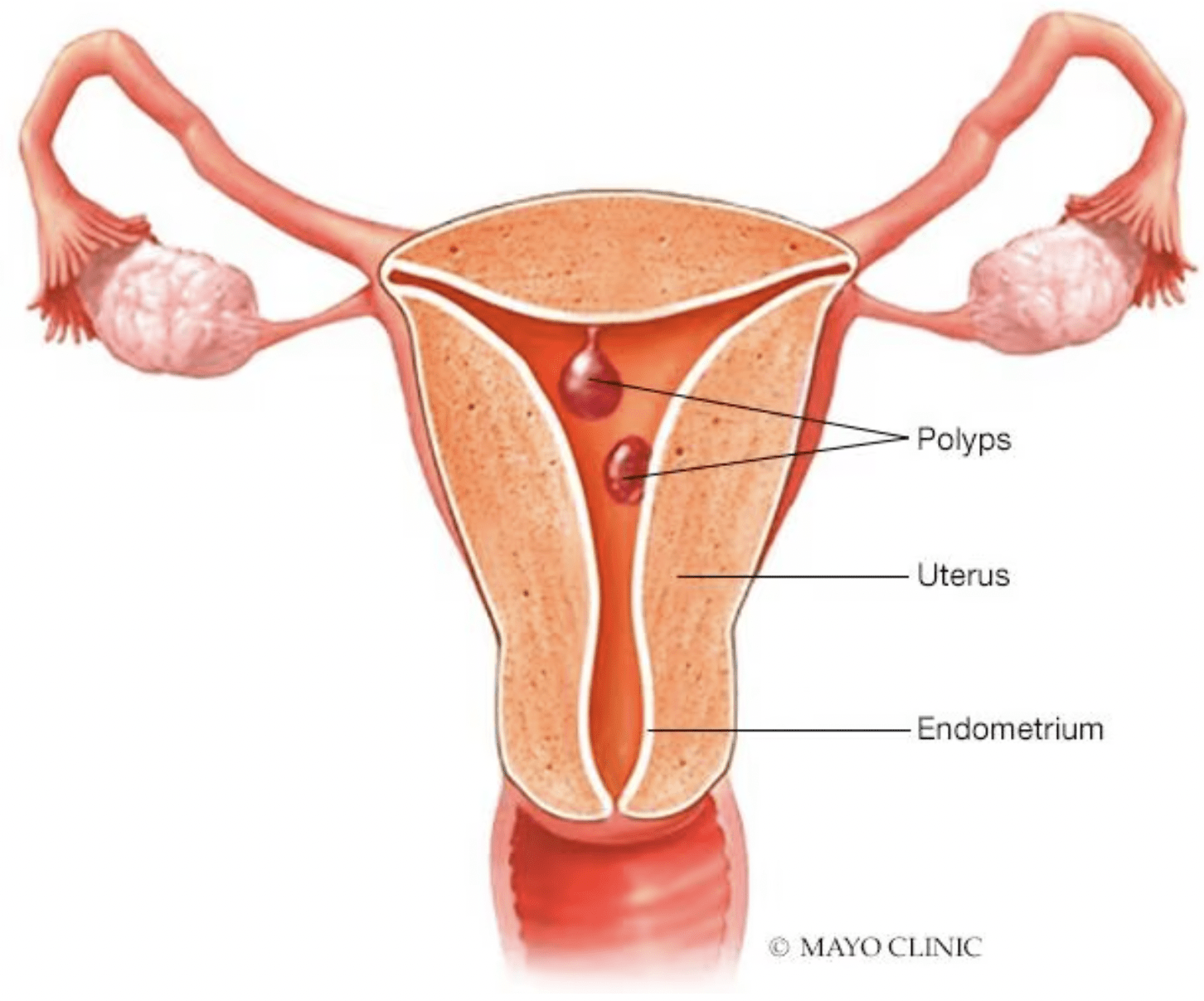
They are most common in women aged 40 – 50yo, but can occur at any age, including after menopause.
Why Do Endometrial Polyps Occur?
The exact cause isn’t always clear, but they are thought to be influenced by hormones — particularly estrogen, which stimulates the growth of the uterine lining.
Risk factors can include:
- Perimenopause
- Obesity
- Tamoxifen use
- Hypertension
- Hormonal fluctuations
- Increasing age
Many people with polyps have no identifiable risk factors at all.
Symptoms of Endometrial Polyps
Some women have no symptoms: a polyp may be found incidentally on a tranvaginal ultrasound which was performed for some other reason. When symptoms do occur, they most often involve abnormal bleeding patterns, such as:
- Heavy periods
- Irregular bleeding between periods
- Spotting before or after menstruation
- Bleeding after menopause
- In some cases, endometrial polyps may impact on capacity to conceive
Abnormal bleeding is the most common way that endometrial polyps are discovered.
Are Endometrial Polyps Cancerous?
The reassuring answer is that the vast majority of endometrial polyps are benign (non-cancerous). The overall risk of cancer within an endometrial polyp is low (approximately 1 – 5%) and depends on factors such as age, symptoms, and medical history.
The risk is slightly higher in:
- Postmenopausal patients
- Those with abnormal bleeding
- Individuals with certain risk factors for endometrial cancer (such as ‘Lynch Syndrome’, type 2 diabetes, and / or obesity)
When endometrial polyps are found to be persistent (ie. present on serial ultrasound scans) and / or large, and especially if any of the above risk factors are present, it is prudent to have them removed surgically to rule out endometrial cancer.
How Are They Diagnosed?
Endometrial polyps are often detected using imaging or direct visualisation. Investigations may include:
- Transvaginal ultrasound
- Saline sonohysterography
- Hysteroscopy
- Endometrial biopsy
Your women’s health GP or gynaecologist will recommend tests based on your age, symptoms, individual risk profile, and what imaging you have already had. For example, if a polyp is suspected on a non-specialist transvaginal ultrasound, your clinician may recommend a specialist women’s ultrasound performed at the tail end of your period (when your uterine lining should be at its thinnest). If the polyp is still present (ie. is persistent), then surgical removal is likely to be recommended.
Do They Need Treatment?
Not always. Management depends on symptoms, size, and individual risk factors.
Treatment may be recommended if:
- You have abnormal bleeding
- You are postmenopausal
- The polyp is large (esp. > 10mm)
- Fertility is affected
- The diagnosis is uncertain
- You have risk factors for endometrial cancer (as outlined above)
Removal is usually performed via hysteroscopic polypectomy, a minimally invasive day procedure that allows direct visualisation and removal of the polyp, rather like scooping out ice cream while watching with a video camera (which has been inserted through the vagina and cervix into the uterine cavity).
Cervical Polyps
What Are They?
Cervical polyps are small overgrowths that arise from the surface of the cervix. They are typically smooth, red or purple in colour, and often hang slightly below the cervical opening, into the vagina.
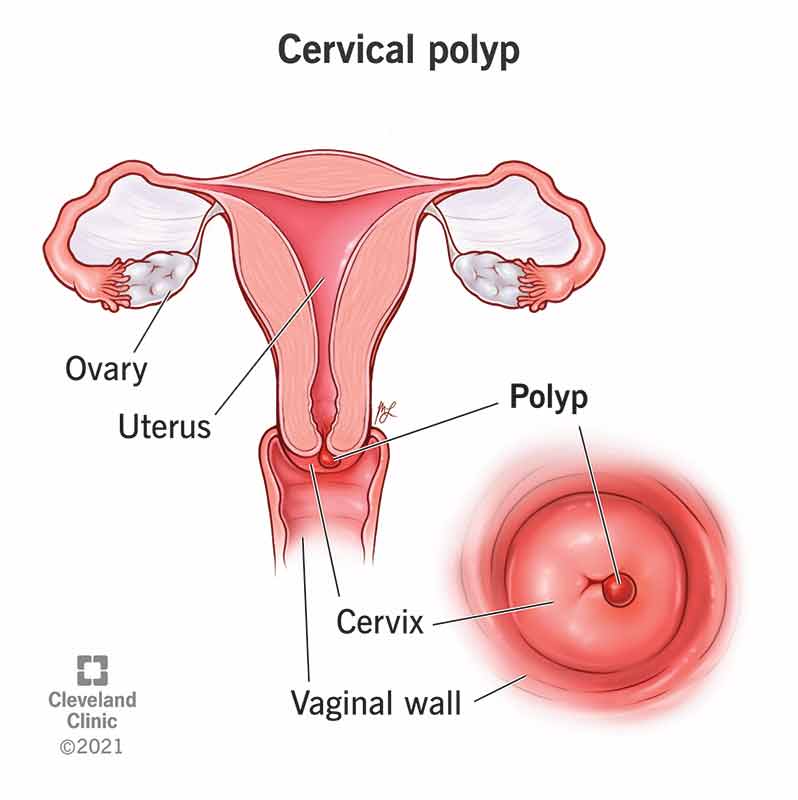
They are extremely common and frequently discovered during routine speculum examination.
Causes and Risk Factors
The exact cause isn’t fully understood, but contributing factors may include:
- Chronic inflammation of the cervix
- Hormonal influences
- Previous infection or irritation
They are most common in women over 30yo who have had children, although they can occur in anyone.
Symptoms of Cervical Polyps
Many cause no symptoms at all. When symptoms occur, they may include:
- Spotting after sex (which is known to ‘post-coital bleeding’)
- Bleeding between periods
- Heavier menstrual bleeding
- Unusual vaginal discharge
Because these symptoms overlap with other conditions, assessment is important to confirm the cause.
Are Cervical Polyps Dangerous?
The vast majority are benign, and cancerous change is very rare. However, removal is often recommended if they cause symptoms, appear atypical, or occur after menopause.
How Are Cervical Polyps Treated?
Treatment is usually simple. Many small cervical polyps can be removed during a consultation at Maven Centre, using a gentle twisting technique or small instrument. This is typically quick and causes only mild discomfort.
The polyp will be sent for laboratory testing to confirm that it is benign.
If your cervical polyp is larger, it is safer to remove it under general anaesthetic on another day, as a day procedure.
When Should You See a Doctor?
It’s worth seeking medical advice if you experience:
- Bleeding between periods (‘inter-menstrual bleeding’)
- Bleeding after menopause (‘post-menopausal bleeding’)
- Bleeding after sex (‘post-coital bleeding’)
- Unusually heavy periods (‘heavy menstrual bleeding’)
- Persistent abnormal discharge
- Difficulty conceiving
- Any new or unusual vaginal bleeding
While these symptoms are commonly caused by benign conditions such as polyps, they should always be evaluated.
What to Expect at Your Appointment
Your consultation may include:
- Discussion of symptoms and menstrual history
- Review of medications and risk factors
- Review of your transvaginal ultrasound report +/- requesting a higher-quality transvaginal ultrasound at a centre that performs specialist women’s ultrasounds
- Pelvic and speculum examination
- Cervical screening test if due
- Vaginal swabs if infection suspected
- Removal of the cervical polyp (if it is small)
- Organising a hysteroscopic polypectomy (if it is larger)
This structured approach helps ensure the correct diagnosis and management plan.
Polyps and Fertility
Endometrial polyps can occasionally interfere with embryo implantation or development. In people undergoing fertility treatment or experiencing unexplained infertility, removal (‘hysteroscopic polypectomy’) may improve pregnancy outcomes.
Cervical polyps rarely affect fertility, but may be removed if they cause bleeding or interfere with cervical assessment.
Key Differences Between Endometrial and Cervical Polyps
- Location: Endometrial polyps occur inside the uterus; cervical polyps occur on the cervix.
- Common symptom: Endometrial polyps usually cause abnormal bleeding (eg. between periods, or heavy periods); cervical polyps often cause post-coital spotting
- Detection: Endometrial polyps are usually found on imaging; cervical polyps are often seen during examination
- Removal: Endometrial polyps require hysteroscopy; cervical polyps can often be removed in clinic (if small)
- Cancer risk: Both are usually benign, though cancer risk is slightly higher in endometrial polyps than cervical
Take-Home Messages
Polyps are common, usually harmless, and often easy to treat. Many people never know they have one, and most do not lead to serious problems.
The key is to act upon unusual vaginal bleeding, or new symptoms. Early assessment allows for prompt treatment, and prompt reassurance when everything is benign.
If you’re experiencing unexpected bleeding, unusual discharge, or fertility concerns, seeing your women’s health GP is an excellent first step. They can organise appropriate tests, discuss whether treatment is needed, and refer you to a specialist if required.
Clear answers, timely and patient-centered care, and peace of mind are always our driving goals at Maven Centre.